Skip to content
When you plan a bathroom remodel, two primary questions dictate your schedule and budget: how much will the project cost, and how many days will your home remain under construction? In Orange County, installing Replacement Bathtubs generally takes one to two business days and costs significantly less than a gut renovation because professional installers preserve existing plumbing rough-ins. Upgrading your bathing area resolves stubborn leaks, eliminates chronic mildew growth, and dramatically improves your daily relaxation without stranding your household in construction dust for weeks on end.
Replacement Bathtubs in Middletown, NY: Costs and Timelines
Homeowners often hesitate to begin home renovations because they fear runaway expenses and open-ended project timelines. A standard tub replacement circumvents these issues by focusing specifically on the wet area footprint. Modern acrylic fixtures slip into your existing alcove, enabling technicians to complete the transformation quickly while avoiding costly structural rewiring. The total investment reflects the basin dimensions, custom wall surround profiles, and updated brass valving systems that you choose.
- Installation speed: Certified technicians complete standard alcove installations within one to two working days.
- Project investment: Wet-space replacements typically save homeowners up to fifty percent compared to total gut renovations.
- Structural integrity: Factory-formed non-porous acrylic prevents subfloor rot caused by hidden tile grout failures.
- Plumbing compatibility: Technicians adapt modern overflows and drain flanges to your home’s existing drain lines.
- Property valuation: Modernizing a dated bathing alcove produces a verified seventy percent return on investment at resale.
By targeting the wet space directly, you bypass weeks of drywall repair, framing adjustments, and paint touch-ups. You secure a brand-new, watertight bathing sanctuary that stands up to daily family use without demanding constant weekend maintenance.
Evaluating Common Bathtub Materials for Long-Term Value
Choosing the right tub material determines how easily you maintain the surface, how long your bath water stays hot, and whether your subfloor requires supplementary joist framing. Middletown properties feature a mix of historic wood-frame homes and newer developments, meaning weight tolerances and thermal dynamics vary widely across neighborhoods.
Cast iron tubs offer exceptional rigidity and classic appeal, yet an empty five-foot cast iron basin weighs over three hundred pounds. Once filled with forty gallons of water and an adult occupant, the total load easily exceeds six hundred pounds, often requiring structural carpenter labor to reinforce floor joists beneath your bathroom. Furthermore, cold iron pulls heat out of bathwater rapidly during the first ten minutes of soaking, which forces you to run supplemental hot water to maintain a comfortable temperature.
In contrast, modern non-porous acrylic incorporates composite backing layers that insulate the basin effectively. Acrylic retains ambient thermal energy, so your bath water stays hot for extended periods. Acrylic also eliminates the fragile porcelain glaze found on pressed steel or cast iron, preventing the spiderweb cracks and rust stains that plague aging fixtures across the Hudson Valley.
Performance Metrics: Comparing Modern Bathtub Substrates
Before you commit to a specific replacement basin, examine the concrete differences in maintenance, lifespan, and installation demands. The following table provides direct technical specifications for the four standard residential bathtub materials installed across New York homes.
| Material Type | Average Weight (Empty) | Heat Retention Rate | Expected Service Life | Stain and Chemical Resistance |
|---|---|---|---|---|
| Engineered Acrylic | 75 to 110 lbs | High (Insulated Core) | 25 to 30 Years | Superior (Non-Porous Surface) |
| Enameled Cast Iron | 300 to 450 lbs | Low Initial, High Sustained | 40+ Years | Moderate (Vulnerable to Chipping) |
| Enameled Steel | 60 to 90 lbs | Very Low (Rapid Loss) | 10 to 15 Years | Low (Rusts at Edge Chips) |
| Solid Surface Composite | 180 to 260 lbs | Moderate to High | 20 to 25 Years | High (Requires Routine Sealing) |
As the data illustrates, engineered acrylic offers the optimum balance between structural weight, thermal efficiency, and long-term surface protection. Homeowners avoid structural modifications while gaining an easy-to-clean basin that resists stubborn mineral deposits.
Orange County Water Chemistry and Installation Realities
Residential plumbing systems in Orange County face specific local water quality challenges. Municipal supply networks and regional private wells carry dissolved limestone, magnesium, and calcium that precipitate onto conventional enameled basins as stubborn scale. Over time, aggressive minerals bond with soap residue, dulling enameled finishes and destroying traditional grout joints in nearby towns like Fishkill, NY and Hyde Park, NY.
To combat mineral accumulation, modern replacement installations integrate high-density polymer wall surrounds and solid-surface basins that lack microscopic pores. When water evaporates, calcium deposits wipe away using mild dish soap and warm water rather than harsh abrasive powders that scratch gel coats.
- Hard water mitigation: Select high-density non-porous acrylic panels that prevent calcium bonding and lime crystallization.
- Frost-line expansion protection: Insulate exterior plumbing chases properly to prevent localized winter pipe freeze during sub-zero cold snaps.
- Galvanized supply transitions: Replace legacy galvanized supply nipples with dielectric copper fittings to eliminate electrolytic pipe corrosion.
- Drain alignment: Laser-level the drain assembly during rough-in so standing wastewater drains completely without pooling.
Addressing these regional plumbing considerations protects your structural investment against water damage, maintaining dependable water flow and spotless surfaces for decades.
Subfloor Protection and Technical Installation Standards
A durable tub installation depends entirely on what lies beneath the surface. When older tile installations fail, moisture migrates past hairline cracks in the grout, saturating the wood subfloor and joists over many years. Professional installers always strip away damaged substrates, inspect the load-bearing lumber, and install structural backing panels before setting your new fixture in place.
According to comprehensive moisture remediation data published by the National Association of Home Builders (NAHB) Research Center, unsealed tub surrounds contribute significantly to structural subfloor decay in residential homes built prior to 1990. Installing an engineered composite apron with integrated flange dams stops capillary moisture transfer dead in its tracks. Installers bed the basin in a high-density mortar base to eliminate floor flex, ensuring the tub feels solid beneath your feet and protecting the perimeter silicone seals against mechanical fatigue.
Proper drainage assembly represents another vital step in the process. Technicians pair your modern tub with heavy-gauge brass or schedule-40 PVC waste and overflow units, replacing deteriorated slip-joint traps that could leak inside finished ceilings downstairs. You can explore complete alcove upgrades by reading The Ultimate Guide to Bathtub Replacements for NY Homes to understand how modern moisture barriers preserve your framing.
Modern Safety and Accessibility Enhancements
Modern replacement bathtubs combine ergonomic luxury with proactive safety systems that keep every family member secure while bathing. You do not need to settle for an institutional look to gain life-long accessibility features in your bathroom.
Low-Threshold Aprons
Traditional tubs feature tall sidewalls reaching nineteen to twenty-one inches, creating a dangerous obstacle for children and seniors alike. Modern ergonomic designs lower the step-over threshold to fourteen inches while maintaining generous internal soaking depth. This structural profile significantly reduces fall risks when entering or exiting the bath.
Textured Anti-Slip Flooring
Smooth porcelain becomes exceptionally slick when coated with body washes and bath oils. Factory-applied micro-textured slip resistance covers the basin floor permanently, providing tactile traction that never peels, discolors, or harbors bacterial mildew like rubber suction mats do.
Internal Blocking and Ergonomic Grab Bars
Skilled installers integrate structural wooden backing plates directly behind the acrylic wall surround panels during the framing phase. This critical step lets you mount heavy-duty stainless steel grab bars anywhere you need them, holding up to five hundred pounds of force without puncturing unreinforced composite shells. Pair your secure tub with Custom Shower Doors in Middletown, NY | Baths by Schnorr to complete a safe, modern bathing enclosure.
Designing a Cohesive Aesthetic for Your New Tub Alcove
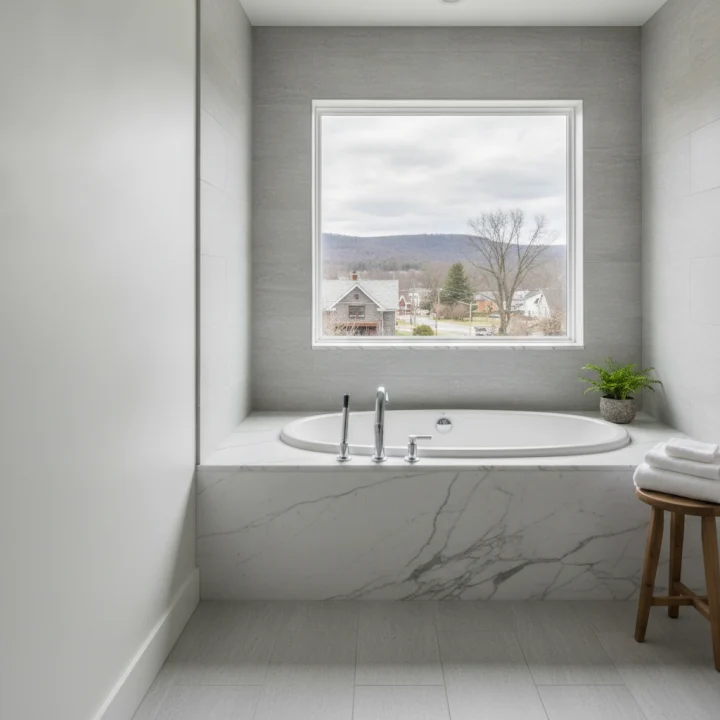
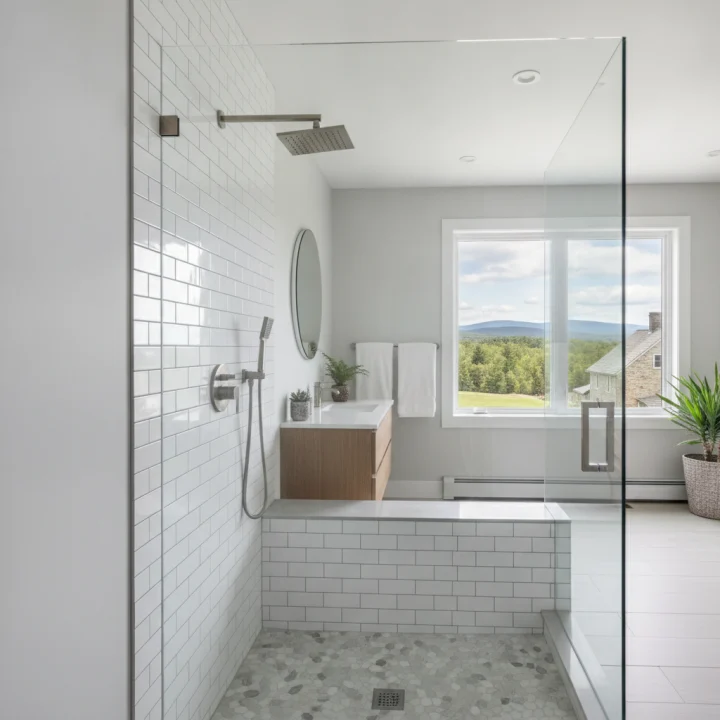
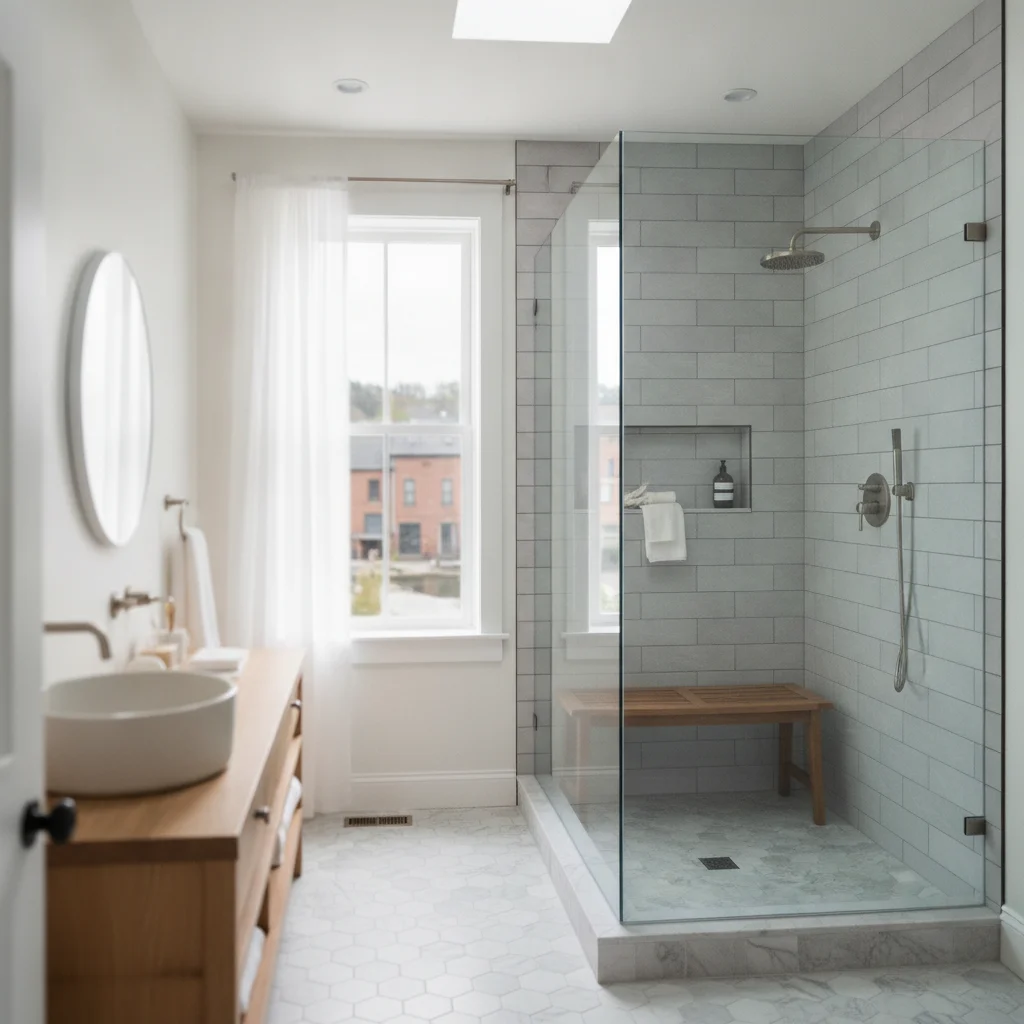
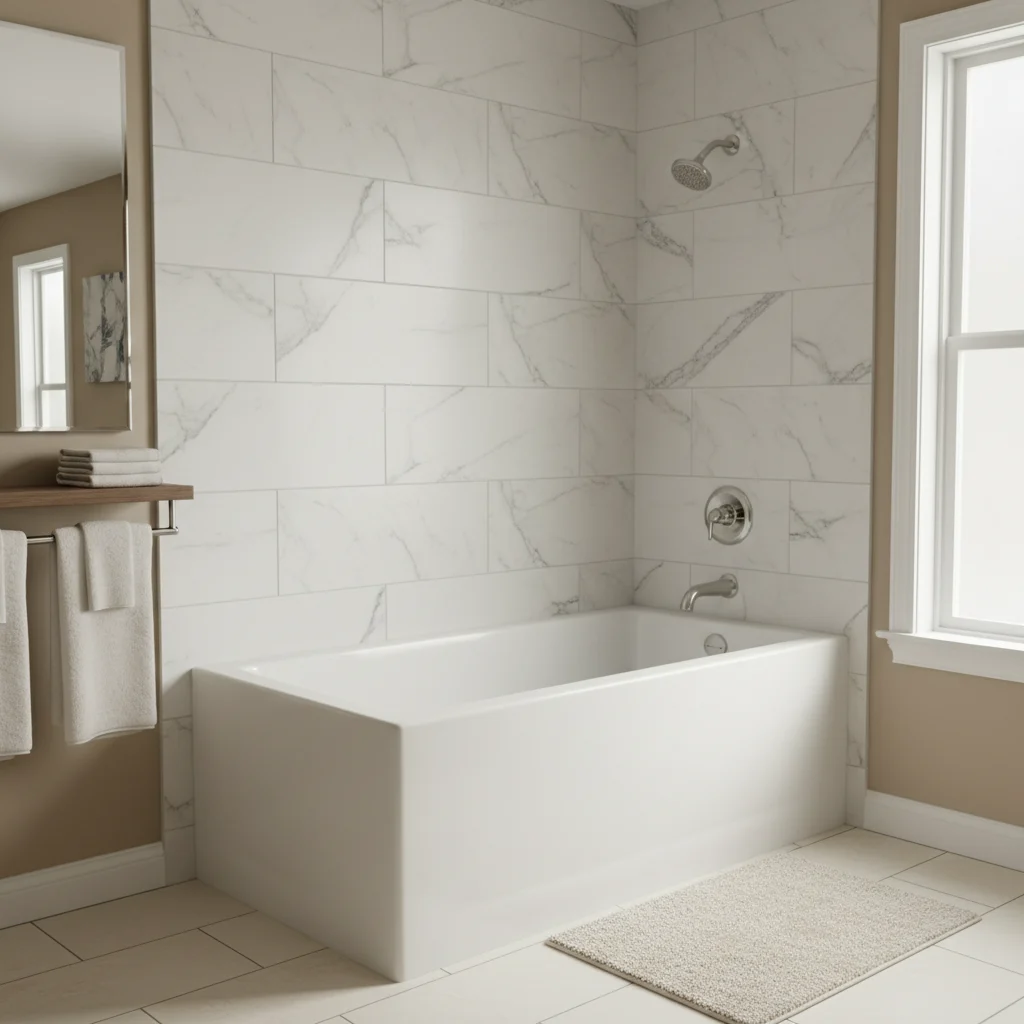
A replacement tub project provides an outstanding opportunity to update the entire aesthetic of your master bathroom or guest bath. You can choose from crisp subway tile textures, deep stone profiles, or sleek minimalist patterns that match your vanity and fixtures. Homeowners across Carmel Hamlet, NY and Rhinebeck, NY regularly transform dark, cramped bathrooms into bright, open spaces by installing white marble patterns paired with modern matte black or brushed nickel fixtures.
Selecting complementary wall surrounds extends visual height upward toward the ceiling, creating an illusion of additional square footage in standard residential bathrooms. Modern surrounds run from the tub deck straight to the drywall ceiling, eliminating exposed painted drywall that often peels from routine shower humidity. You achieve a cohesive look that mirrors the craftsmanship found across all our custom Baths installations throughout the region.
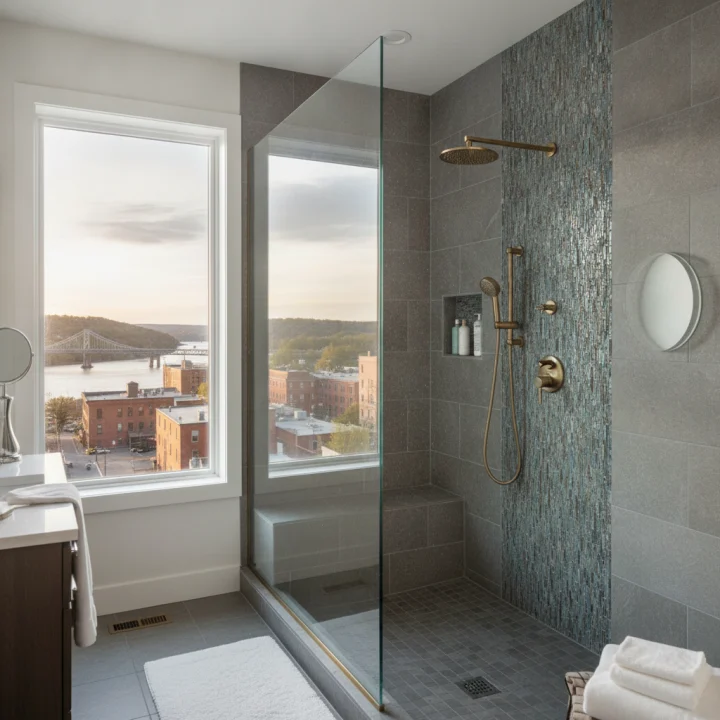
Integrate floating corner shelves, recessed shampoo niches, and built-in foot pedestals directly into the surround walls during fabrication. These tailored additions keep toiletries organized, eliminating unsightly plastic shower caddies and maintaining tidy, open sightlines.
Upgrade Your Middletown Home with Baths by Schnorr
Baths by Schnorr delivers precision wet-area remodeling solutions designed specifically for Hudson Valley homeowners. Our experienced craftsmen replace outdated, cracked bathtubs with durable, easy-to-clean fixtures installed to exacting engineering standards. Contact Baths by Schnorr today at 845-632-0202 or visit our portal to Get Quote online and reserve your free, in-home design consultation.
Frequently Asked Questions
How long does installing a replacement bathtub take?
Our certified technicians complete most replacement bathtub installations within one to two working days. Because we preserve your bathroom’s existing plumbing footprint, you avoid the lengthy disruptions associated with full demolition remodels. You regain full use of your bathing space almost immediately.
Will a new bathtub withstand Middletown hard water?
Yes, our modern replacement bathtubs feature non-porous engineered acrylic surfaces that actively resist mineral bonding and lime deposits. Calcium residue wipes away easily using mild soap and warm water without requiring aggressive chemical scrubbers. The material prevents permanent yellowing and hard-water staining over decades of use.
Can I replace a deep soaking tub without removing structural walls?
Yes, we install customized replacement bathtubs designed to fit precisely into your home’s existing three-wall alcove space. Our team measures your specific wall-to-wall dimensions down to the fraction of an inch to ensure a snug fit. This precise manufacturing process prevents unnecessary wall demolition or structural framing modifications.
What maintenance does an acrylic replacement tub require?
Acrylic replacement bathtubs require minimal maintenance compared to traditional tiled basins with porous grout joints. You simply clean the surface using a soft microfiber cloth and gentle, non-abrasive household cleaners. You never need to seal grout, polish porcelain glaze, or scrape away embedded mildew.
Can you add grab bars and safety seats to a replacement bathtub?
Our team installs structural backing boards directly behind the acrylic wall surround during the rough-in stage. This construction step enables us to mount ADA-compliant grab bars, corner shelves, and ergonomic seating securely anywhere you choose. These safety additions hold up to five hundred pounds of direct pull force.
How does replacing my bathtub impact my home’s resale value?
Replacing an old, chipped, or discolored bathtub delivers an average return on investment of over seventy percent according to regional remodeling studies. Prospective homebuyers prioritize updated, hygienic wet spaces that require no immediate maintenance or repairs. A fresh bathing area modernizes the entire room and boosts overall appraisal appeal.